The Future of Digital Assistants

The landscape of digital assistants is rapidly evolving, driven by advancements in AI and machine learning. These technologies promise to create more personalized and intuitive user experiences, transforming how individuals interact with their devices. However, the integration of these systems raises significant ethical questions about privacy, security, and bias. As the potential for deeper engagement grows, it becomes crucial to examine how innovation can be balanced with a commitment to inclusivity and respect for individual rights.
The Evolution of Digital Assistants
As technology advanced, the evolution of digital assistants became a significant indicator of the broader trends in artificial intelligence and human-computer interaction.
Voice recognition advancements enhanced accessibility, allowing users to engage effortlessly with devices.
Concurrently, user interface improvements transformed interactions into seamless experiences, fostering a sense of autonomy.
Together, these developments underscored a growing desire for intuitive, responsive systems that empower users in their daily lives.
See also: The Future of Cybersecurity: Trends and Predictions for 2025
Emerging Technologies and Their Impact
While the landscape of digital assistants continues to evolve, emerging technologies are playing a pivotal role in shaping their capabilities and applications.
Machine learning enhances functionality, enabling assistants to learn user preferences and improve decision-making. This fosters user personalization, allowing for tailored interactions that resonate with individual needs.
Consequently, digital assistants are becoming increasingly intuitive and responsive, unlocking new levels of user engagement and satisfaction.
Challenges and Ethical Considerations
Despite the numerous benefits digital assistants offer, significant challenges and ethical considerations arise in their development and deployment.
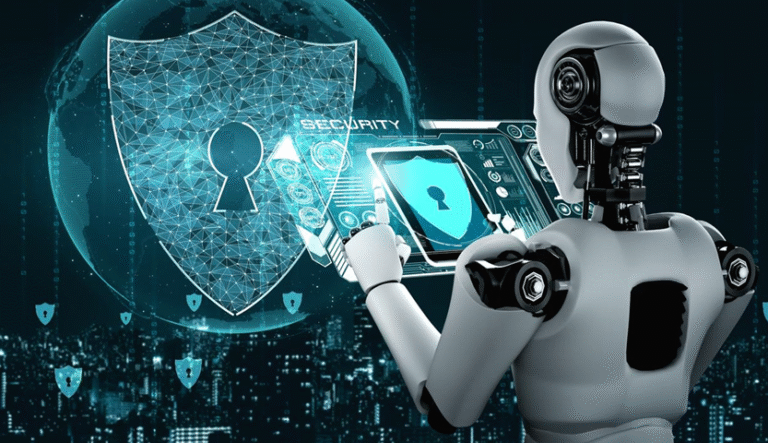
Privacy concerns, data security, and algorithmic bias present considerable risks.
Furthermore, user dependency on these technologies can undermine personal autonomy.
Addressing these issues is essential to ensure that digital assistants enhance freedom without compromising individual rights or perpetuating systemic inequalities in society.
Conclusion
In conclusion, the future of digital assistants is poised for remarkable transformation, driven by advancements in AI and machine learning. As users increasingly rely on these technologies, a significant statistic reveals that by 2025, it is estimated that 75% of households will have at least one smart speaker. However, this rapid evolution brings forth critical challenges, particularly regarding privacy and algorithmic bias, necessitating a careful approach to ensure that innovation aligns with ethical standards and promotes inclusivity.